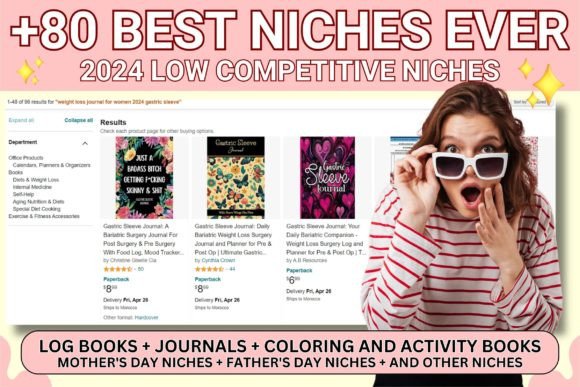
80 KDP Niches Low Competitive 2024: Your Practical Guide to Profitable, Easy-to-Create Low-Content Books
If you've spent time scrolling through Amazon’s Kindle Direct Publishing (KDP) dashboard—only to find coloring books for “adult stress relief” buried under 50,000+ titles—you know the frustration. High competition. Thin margins. Endless tweaking of thumbnails and subtitles just to break into page one. But what if there’s another path? One where your first log book ranks in week two. Where your Mother’s Day journal sells steadily without paid ads. Where “low competitive niches” aren’t theory—they’re your workflow.
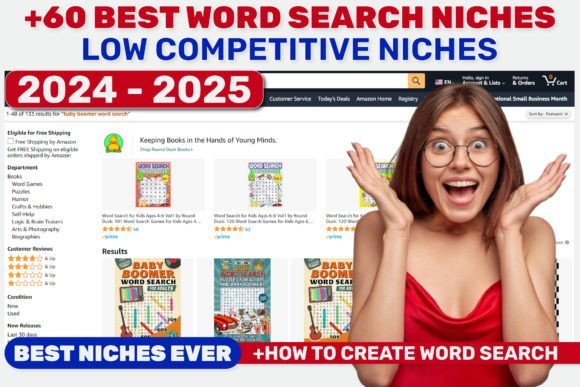
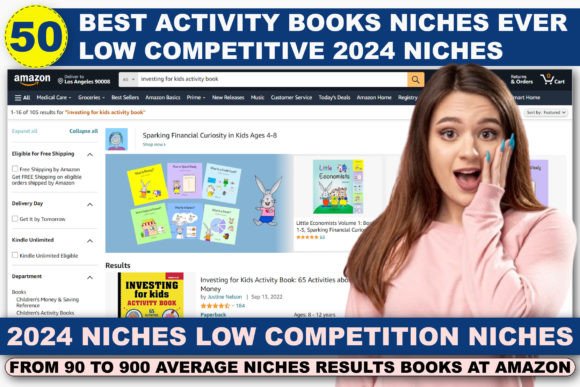
The 80 KDP Niches Low Competitive 2024 list isn’t just another spreadsheet—it’s a curated filter for real-world opportunity. These aren’t vague themes like “mindfulness” or “fitness.” They’re tightly scoped, buyer-intent-rich categories with measurable search volume, low saturation, and proven conversion patterns on Amazon. And yes—they’re built for interiors that are fast to design, easy to format, and ready to upload in under 90 minutes.
Why “Low Competitive” Isn’t Just About Fewer Titles
Low competition doesn’t mean “no demand.” It means searchers are actively looking—but sellers aren’t fully serving them yet. Think of it like a quiet side street near a busy intersection: foot traffic exists, but few shops have opened their doors. That’s where log books, themed journals, and activity books shine—not because they’re obscure, but because they solve specific, recurring problems:
- A teacher needs a “Classroom Behavior Log Book for Elementary Students”—not a generic notebook.
- A new dad wants a “First Year Baby Milestone Tracker & Memory Journal”, not another “parenting journal.”
- A small business owner searches for “Daily HVAC Technician Service Log Book”—and finds only outdated PDFs or $40 spiral-bound versions.
These are long-tail, high-intent keywords. They convert faster because the buyer knows exactly what they need—and when your interior matches that need precisely, Amazon rewards relevance over volume.
Log Book Niches: The Underrated Engine of Low-Content Success
Log books are among the most reliable entries in the 80 KDP Niches Low Competitive 2024 list—for good reason. They’re functional, repeat-purchase friendly, and rarely trend-driven. A mechanic logs daily. A nurse tracks vitals. A dog trainer records sessions. Each role has its own language, layout needs, and pain points.
What makes a log book interior truly effective?
- Role-specific structure: Not just lined pages—pre-labeled columns (Date | Client Name | Service Performed | Notes), checkboxes, signature lines, and space for photos or attachments.
- Print-ready formatting: No bleed, consistent margins, clear fonts (like Calibri or Open Sans), and optimized line spacing for handwriting.
- Smart naming: “HVAC Technician Daily Log Book” ranks better than “Mechanic Notebook”—because it mirrors how buyers search.
Top-performing log book niches from the 2024 list include: Foster Parent Visit Log Book, Home Health Aide Daily Record Journal, Commercial Truck Driver Pre-Trip Inspection Log, and Small Farm Livestock Health Tracker. All share low BSRs (Best Seller Ranks) under #30,000 in their subcategories—and many have under 200 active listings.
Journals & Coloring Books: Beyond “For Adults” and “For Kids”
Generic labels kill discoverability. The 80 KDP Niches Low Competitive 2024 list drills deeper—into emotional context, life stage, and seasonal rhythm. Consider these examples:
- Mother’s Day Gratitude Journal for Daughters – Targets adult daughters seeking meaningful, non-cliché gifts. Interior includes guided prompts (“One thing I learned from you about kindness…”), space for letters, and soft watercolor borders.
- Father’s Day Memory Sketchbook for Teens – Combines light drawing prompts (“Sketch your dad’s favorite coffee mug”) with reflection lines. Designed for teens who want to engage—not just sign a card.
- Chronic Illness Symptom Tracker & Gentle Coloring Pages – Merges utility and therapy. Pages alternate between symptom grids and nature-themed, low-detail coloring spreads—ideal for low-energy users.
These aren’t just “journals” or “coloring books.” They’re solution sets. And because they serve narrow audiences with strong emotional drivers, they attract organic clicks—and loyal repeat buyers.
Activity Book Niches: Where Engagement Meets Evergreen Demand
Activity books thrive when they answer a clear “why now?” question. The 2024 list highlights niches where timing, audience, and content align tightly:
- Back-to-School Executive Function Workbook for Middle Schoolers – Targets parents of neurodivergent kids searching for tools to build planning skills. Includes checklists, habit trackers, and visual schedules.
- Wedding Planning Activity Book for LGBTQ+ Couples – Fills a documented gap: mainstream planners assume heteronormative vendors, timelines, and family dynamics. This version normalizes chosen family, name-change prep, and inclusive vendor questions.
- Senior Living Transition Activity Journal – For adults helping aging parents downsize or move into assisted living. Features memory prompts, room-by-room inventory sheets, and legacy letter templates.
Each of these uses interior design as strategy: intuitive layouts, accessible fonts (14pt+), ample white space, and purpose-built sections—not filler.
Seasonal Niches Done Right: Mother’s Day, Father’s Day, and Beyond
Seasonal doesn’t mean short-lived—if done with precision. The 80 KDP Niches Low Competitive 2024 list avoids broad terms like “Mother’s Day Gift” and instead isolates who gives, who receives, and what problem it solves.
Examples that consistently rank well:
- Mother’s Day Journal for New Moms (First Year Edition) – Focuses on identity shift, sleep loss, and micro-wins—not just flowers and brunch.
- Father’s Day Reflection Book for Dads of Teens – Addresses communication gaps, pride, worry, and quiet pride. Uses open-ended prompts, not forced positivity.
- Grandparent’s First Grandchild Memory Book – Includes photo pockets, milestone trackers, and prompts like “The first time I held them, I felt…”
Timing matters—but so does authenticity. Buyers scroll past glossy, generic interiors. They pause at pages that feel seen.
How to Use the 80 KDP Niches Low Competitive 2024 List Effectively
This list works best when treated as a starting point—not a finish line. Here’s how top performers use it:
- Validate demand: Search the exact phrase on Amazon. Check BSR, number of reviews on top 3 listings, and whether results are mostly KDP or traditional publishers.
- Study interiors: Download 2–3 top-ranking books (legally, via Kindle Unlimited or purchase). Note page count, layout logic, font choices, and where whitespace is used.
- Refine your title + subtitle: Mirror the searcher’s phrasing. If they type “nurse med log book,” don’t call it “healthcare professional tracking journal.”
- Design for usability—not just aesthetics: A beautiful cover won’t save a log book with cramped columns or a journal with 6-pt script fonts.
And remember: “low competitive” doesn’t mean “no research needed.” It means the barrier to entry is lower—not nonexistent. Clarity, consistency, and customer-centric interiors separate the steady earners from the one-offs.
Final Thought: It’s Not About the Niche—It’s About the Fit
The 80 KDP Niches Low Competitive 2024 list shines brightest when matched with your strengths. Are you great at clean grid design? Lean into log books. Do you sketch beautifully? Prioritize themed coloring books with custom line art. Love writing empathetic prompts? Journals and activity books will reward you.
Success on KDP isn’t about chasing trends. It’s about finding the intersection of demand, differentiation, and discipline—and building something useful, one well-designed interior at a time.